Changes to vaccination mandates are one of the major provisions of the Make America Healthy Again Movement, led by Secretary of Health and Human Services Robert F. Kennedy Jr. In March, federal courts struck down some of the vaccine policies RFK implemented, but controversy about vaccines remains.
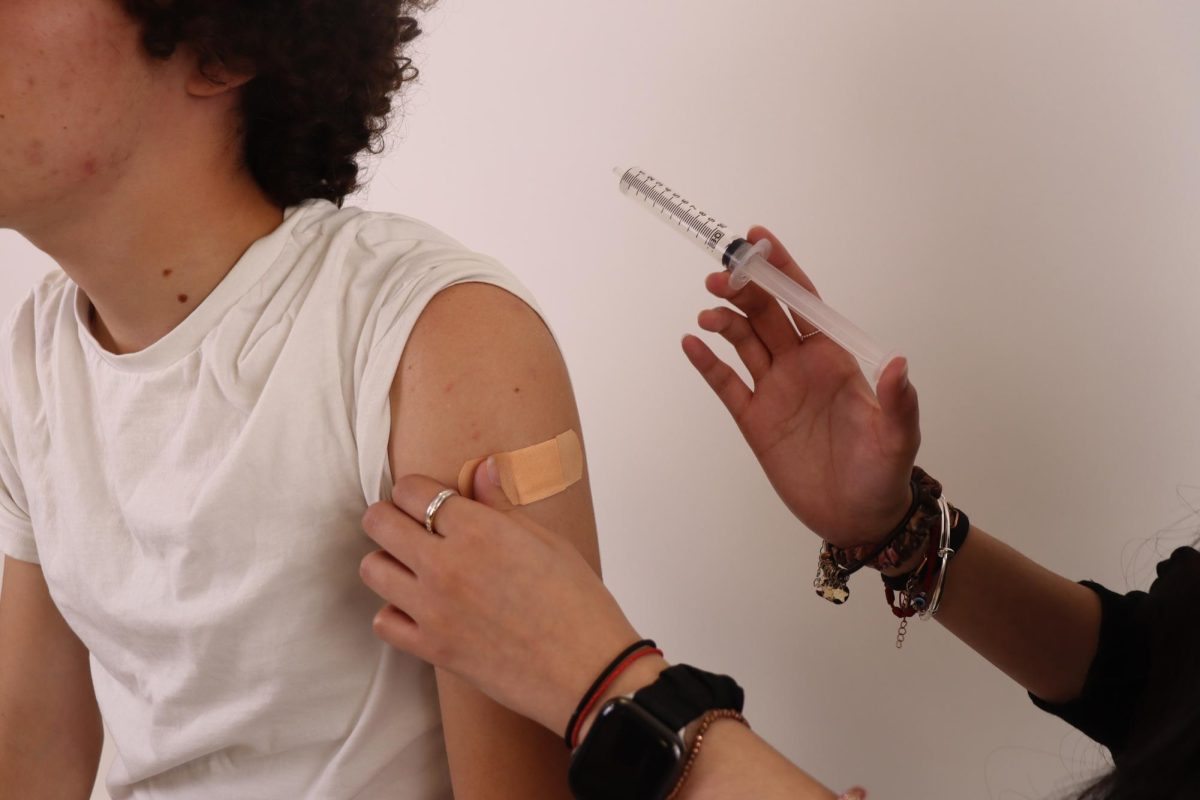
The National Library of Medicine said a 95 percent vaccination rate for measles, one of the most contagious diseases, is needed for community protection against a disease. Being under this percentage can lead to the risk of outbreaks.
“Missouri right now for measles, specifically, we’re at like 90 to 92 percent,” Lindsay Ball, lead nurse for Nixa Public Schools said. “I think in Christian County, we’re even lower than that, even lower than 90 [percent], and so we are seeing in like with measles, if we were to have one case in the county, then our local public health agency would consider that an outbreak.”
Furthermore, cities like St. Louis have seen a low vaccination rate, increasing risks for public emergencies for 640,000 children, according to Statistical Atlas .
“In the city of St Louis, we now know the latest data show that less than 76 percent of kids are that have gotten their childhood vaccinations, including the MMR with the measles vaccine thrown in there. “ Director for Center for Vaccine Development at St. Louis University David Hoft said. “We have disaster waiting to happen.”
Students are legally required to be vaccinated before attending public schools in Missouri. However, there are several exemptions for the law, which allow students to attend schools without vaccines: religious or philosophical reasons, a medical condition, doctor’s discretion or the student is delayed on their vaccine schedule.
Melinda Lansdown, nurse at Nixa High School, said parents should play a vital role in their children’s health, but making sure they are properly informed.
“That includes having open conversations with their pediatrician, who should clearly explain the risks and benefits of any recommended immunizations and take time to answer questions,” Lansdown said. “ Ultimately, I think informed, respectful dialogue between families and healthcare providers is key.”
Columbia University and other health professionals say misinformation about vaccines outpaces current efforts to promote vaccines.
“There’s a lot of information, and there’s also perhaps a lot of misinformation circulating around about vaccines,” Ball said. “I think it’s healthy for people to ask questions and to look to evidence based research and to professionals that have a background in this type of thing.”
Hoft said public health concerns, like vaccines, should not be affected by politics.
“Infectious Diseases affect people from all diverse groups, regardless of opinions or politics,” Hoft said. “People who do not follow evidence and ignore the great benefits of vaccines are more likely to get very sick and die without vaccine-induced protection.”